Sphingidae
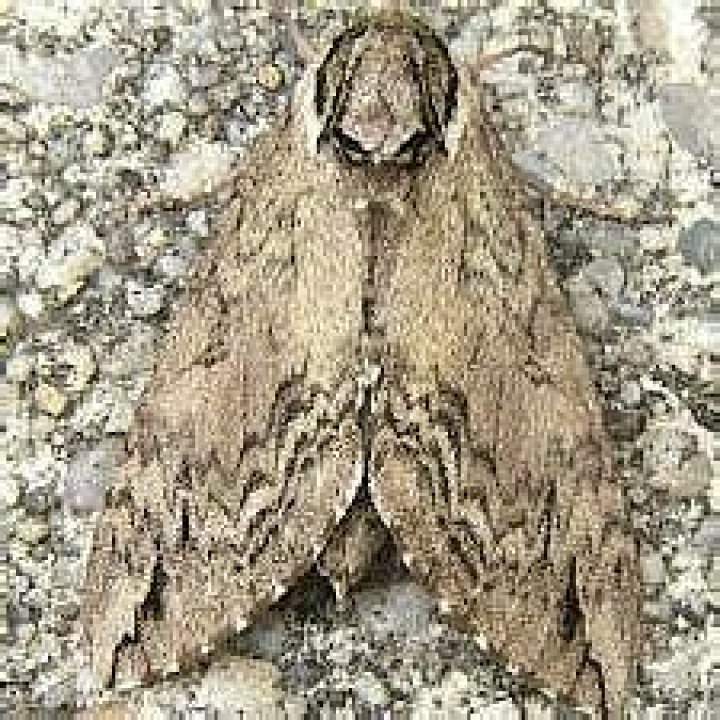
890105 – 7789 Ceratomia catalpae (Boisduval, [1875])| Catalpa Sphinx |
© Patrick Coin
| Distribution: | From southern New England and Ontario westward through southern Michigan to Iowa, Nebraska and Colorado, south to Florida and Texas. |
| Seasonality and Size: | Double-brooded, generally from April through September, with a slightly longer season in the south. Glaser gives flight dates in Maryland from 19 May - 10 October. Wingspan 65 - 95 mm. |
| Larva and Host Plants: | The Catalpa tree is the larval food plant. Larva can be extremely abundant and easily defoliate individual trees. The larva are gregarious through the third instar. |
| Description/ Field Marks: |
|
| Similar Species: |
|
| Synonymy: | • Sphinx catalpae Boisduval, [1875] • Ceratomia kanawahensis Sweadner, Chermock & Chermock, 1940 • Ceratomia kansensis Howe & Howe, 1950 |
- Barcode of Life (BOLD) - Caution: Some specimens shown may not be sequenced. DNA barcode provides evidence of relatedness not proof of identification.
- Covell Field Guide p.33; Pl. 5(9, male).
- Hall et al., 2021. The Moths of North Carolina - website (identification, habitats and life history)
- Hodges, R. W., 1971. Moths of America North of Mexico, Fascicle 21:p. 45; pl. 2.2. order or free PDF
- Species Page at Bill Oehlke's moth website - Ceratomia catalpae
- Species Page at BugGuide.Net
- Species Page at Mass Moths
- Tuttle, J. P., 2007. Hawk Moths of North America: p. 66; pl. 9.7.
- Wagner, D. L., (2005). Caterpillars of Eastern North America, p. 251.
© Bob Patterson
© Bob Moul
© Patrick Coin
80mm – © Jim Vargo
© McGuire Center LG
© Charles Lewallen
© Charles Lewallen
© Yurika Alexander LG
© Yurika Alexander LG